Teamwork and Sportsmanship Activities for Kids
Children learn sportsmanship best by practising it in small, low-stakes moments: agreeing on a team name, cheering for the other side, shaking hands after a game and talking about how winning and losing felt. These ten activities do exactly that, using the four animal teams from The Wildwood Games as a friendly story to hang them on. They work in classrooms, clubs and backyards with kids aged 4–10.
A story helps because it gives children something to talk about that isn’t themselves. It’s easier to say how the Bears might feel after losing than to talk about your own bad afternoon.
The teams
In the book, the Wolves love speed, the Eagles love finesse, the Foxes love agility and the Bears love strength. Each team first competes within its own community, then all four meet in mixed events, with wise old Snappy Snapsalot the snapping turtle as referee. Split your group into four mixed teams and let each one take an animal.
Ten activities
1. Design a team symbol together
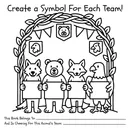
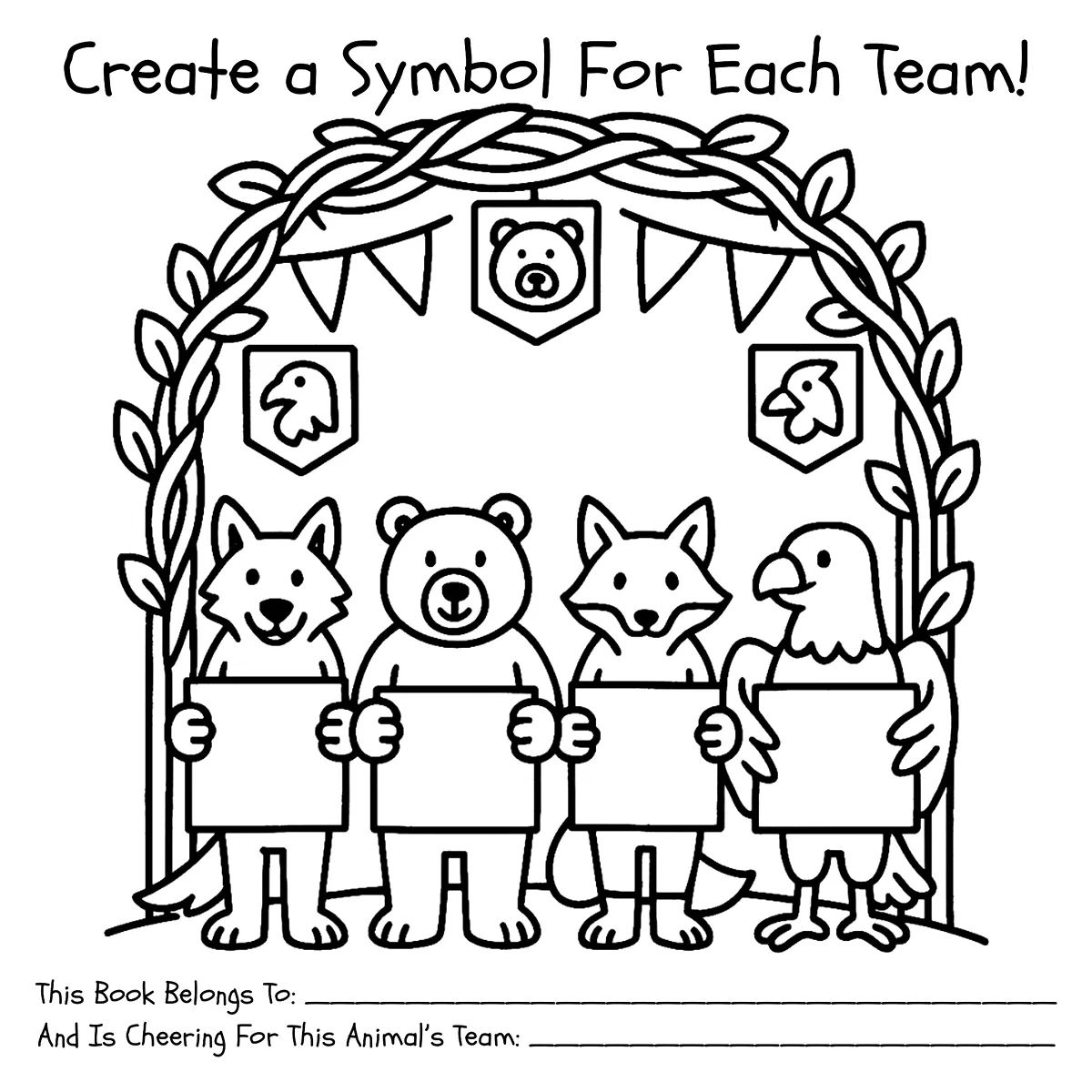
Give each team the Create a symbol for each team page from the free colouring pack and ten minutes to agree on a flag. The rule: everyone adds one thing. It’s a gentle first exercise in sharing ideas and making room for the quieter voices.
2. A job for everyone
Teams in the Wildwoods have captains, coaches and a referee. Hand out role cards (captain, coach, referee, cheer leader and equipment keeper) and rotate them between rounds, so every child has a turn being responsible for the group.
3. The coach’s huddle
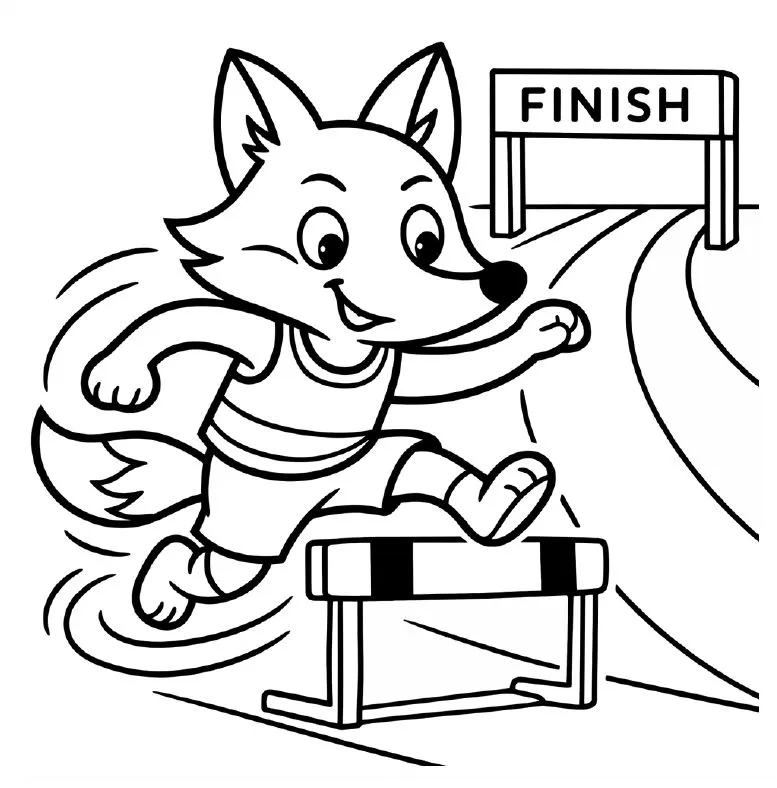
Before their big games, the Fox team listens to a coach who shares strategy and tactics. Before each round, give teams two minutes in a huddle to plan. The point isn’t the plan; it’s practising listening to each other under a little time pressure.
4. A relay where everyone counts
The Wolves “cooperate well in the relay races”, which rely on a team working together to pass a baton. Run a relay where the team’s time only stops when every member has finished, and let younger children run shorter legs. Fast runners quickly learn that cheering the slower ones on is the fastest strategy.
5. Cheer for the other team
Each team writes a short cheer for a different team and performs it before that team’s turn. It sounds silly, and it is, but children find it very hard to be sore losers to a team that just cheered for them.
6. The good-game line
After every round, the teams line up and pass each other with a handshake, a high five, a fist bump or a wave, saying “good game”. Offering a choice keeps it comfortable for children who don’t like being touched.
7. “Good experience for all”
The book says that in the bears’ wrestling ring, “the strongest and most experienced Bear often wins, but it is good experience for all who compete in it.” After each round, ask every child to name one thing they got better at, whether or not their team won.
8. Surprise strengths
The balance beam is the event nobody expects the Bears to like, because it needs grace and patience instead of strength. Hold a “skills swap” where each team tries the event its animal would be worst at, and celebrate the surprises.
9. Medals for more than winning
The Eagles give some of their medals for creativity and style. Make cardboard medals for the best encourager, the kindest team-mate, the best comeback and the most creative idea, and make sure every child goes home with one.
10. The closing circle
At the end of the Wildwood Games, all four teams come together for the closing ceremony. Finish your session in a circle: each child shares one highlight and thanks one person from another team. Then hand out the trophy page from the free pack to colour as a cool-down.
Discussion questions from the book
These work as a read-aloud follow-up, a circle-time prompt or a writing starter for older children:
- The Wolves are the fastest runners, but they also need teamwork for the relay. What makes a good relay team?
- The strongest Bear usually wins the wrestling, but the book says it’s “good experience for all”. What do you get from playing a game, even when you don’t win?
- The Bears surprise everyone at the balance beam. Have you ever been good at something nobody expected?
- The Eagles give some medals for creativity and style, not speed. What would you give a medal for?
- Snappy Snapsalot is the referee. Why do games need a referee, and what makes a referee fair?
- At the end, all four teams celebrate together at the closing ceremony. Why do you think they do that?
Free printables
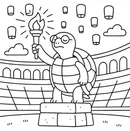
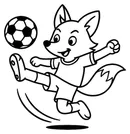
- The free colouring pack includes the team-symbol page, the opening torch, fox soccer and a trophy.
- The Colouring Studio lets children colour the team-symbol page and seven other Wildwood pages on a tablet or computer.
- The Wildwood Games follows all four teams through every event, with a page of story for each picture, so the discussion questions come with the context.
Questions people ask
What age is right for teaching sportsmanship?
Children can start practising the basics, like taking turns, cheering for others and saying "good game", from preschool age. The activities here suit ages 4–10, and the discussion questions work best with children of about six and up.
How do you help a child who gets upset about losing?
Name the feeling first ("you really wanted to win that one"), give them a moment, then help them find one thing they did well or learned. Keeping games short helps too, because there's always another round soon.
Do these activities need a gym or a big field?
No. Most of them work in a classroom, a hallway, a playground or a backyard, and the rest are discussion and colouring.